 Free SEO Audit
  Popular
 SEO
SEO
 Google Ads Management
 Ecommerce SEO
 Web Design Service
 White Label SEO


Suppose a plumbing company in Leeds. It pays for Google Ads and gets calls, but the cost per click keeps rising. Its website sits on page three of Google, so the phone goes quiet the moment the ad budget stops. Both channels are working, yet neither helps the other.
That gap is why a joined-up SEO and PPC strategy matters. Search engine optimization (SEO) earns organic rankings that build trust and lower your cost per lead over time. Pay-per-click (PPC) advertising, where you pay each time someone clicks your ad, puts you in front of buyers straight away. Used together, they share data, cut waste, and win more of the results page. Here are four ways to do it.
- SEO and PPC work best as one connected strategy, not two separate budgets, sharing keyword data, landing pages, and reporting.
- Use PPC to test keywords fast; the search terms report shows which ones actually convert before you commit months of SEO effort to them.
- Feed SEO data back into PPC: pause ads on terms you already rank #1 for organically, and keep spend on the ones you can’t yet win.
- Match each channel to search intent. PPC wins urgent, ready-to-buy searches; SEO wins research-stage queries and builds long-term trust.
- A shared landing page, tested with PPC traffic first, improves Quality Score and organic rankings at the same time, since page speed and relevance matter to both.
- Track everything on one scoreboard (GA4, Search Console, ad data together) and judge blended CPA and ROAS, not each channel in isolation.
Strategy 1: Test Keywords With PPC Before You Commit to SEO
SEO takes months, so choosing the wrong keywords is expensive. PPC lets you check demand first. Run a small Google Ads campaign, then open the search terms report to see the exact queries people typed, which ones got clicks, and which turned into enquiries.
For our Leeds plumber, “emergency plumber Leeds” might bring calls, while “plumber salary” brings clicks and nothing else. The first deserves a dedicated service page and local SEO work. The second becomes a negative keyword in your ads and a low priority for content.
Long-tail keywords with strong conversion rates are the best finds. Your top-performing ad headlines can also inspire title tags and meta descriptions on organic pages.
| Pro Tip: Export your PPC search terms report every two weeks, not once. Search behaviour shifts by season, and a term that flopped in January can convert well by June. |
Strategy 2: Use SEO Data to Trim Your Ad Spend
Data flows the other way too. Google Search Console shows which queries already bring organic clicks and where you rank for each. Compare that list with your ad spend.
- Strong organic positions: If you rank first for a low-competition term, pause ads for a few weeks and watch total leads. If calls hold steady, move that budget elsewhere.
- Weak or missing rankings: Keep or increase ads on high-value terms you can’t yet rank for.
- Brand terms: Competitors may bid on your company name, so a small brand campaign is often worth the cost.
Measure results before and after each change instead of assuming, because the overlap between paid and organic clicks varies by industry.
Not sure where your budget is leaking?
We’ll run a free SEO and PPC overlap audit and show you exactly which keywords are costing you twice.
Strategy 3: Match Each Channel to Search Intent
Search intent describes what a person wants when they search. Different intents suit different channels.
- Urgent and ready to buy: “burst pipe repair near me” is a PPC moment, supported by an optimized Google Business Profile for the local pack.
- Researching: “how to bleed a radiator” is a job for SEO content that builds topical authority and trust through E-E-A-T (experience, expertise, authoritativeness, and trustworthiness).
Then connect the two. Remarketing, which shows ads to people who have already visited your site, can bring guide readers back with a free quote offer. SEO fills the top of the funnel affordably, and PPC nudges people toward a decision. This also supports visibility in AI search, where tools like Google’s AI Overviews tend to favor clear, useful content from recognized brands.
Strategy 4: Share Landing Pages, Testing and One Scoreboard
A landing page, the page a visitor arrives on, serves both channels. In Google Ads, ad relevance, expected click-through rate, and landing page experience shape your Quality Score, which affects what you pay per click. In SEO, page speed, mobile usability, and Core Web Vitals help support rankings. Fixing these once benefits both channels, so a fast, focused page pays off twice.
Ads also give you quick feedback. Test headlines, forms, and calls to action with PPC traffic, then apply the winners to your organic pages instead of waiting months for organic data.
Finally, report together. Bring Google Analytics 4 (GA4), Search Console, and ad data into one Looker Studio dashboard, and judge blended cost per acquisition (CPA), return on ad spend (ROAS), and revenue rather than each channel alone. The best PPC agency will use this shared data to refine ad relevance, landing pages, and conversion tracking, not just to push cost per click down.
| Did You Know? A one-second delay in mobile page load can drop conversion rates by up to 20%, which hits your Quality Score in PPC and your Core Web Vitals ranking factor in SEO at the same time. One fix, two wins. |
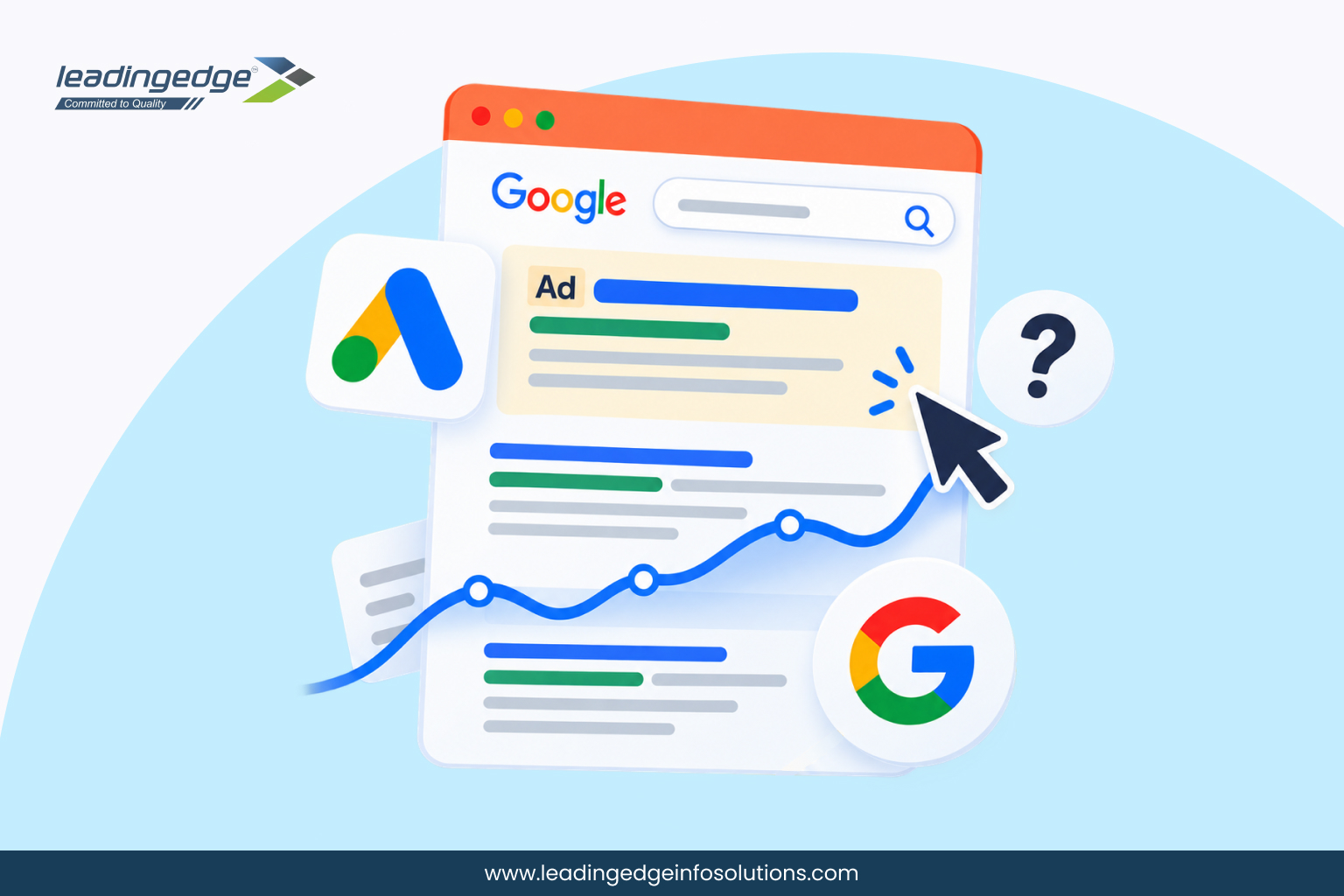
When to Use SEO Alone or PPC Alone
Combining both channels usually gives the best return, but some situations justify letting one take the lead.
When SEO Alone Makes Sense
- Clicks are too expensive. In fields like law, insurance, and finance, a single ad click can cost a small fortune. Organic rankings give better value when the cost per click eats your margin.
- Advertising is restricted. Some industries, such as gambling and certain health or supplement claims, face strict ad policies. Organic search may be your main route to visibility.
- You have time and a modest budget. If there is no launch date or deadline, steady content and local SEO can build lasting traffic without a monthly ad bill.
- Demand is evergreen. Services people always need, like boiler servicing or dental check-ups, reward long-term rankings.
When PPC Alone Makes Sense
- The campaign is short. A seasonal sale, event, or limited offer may end before SEO has time to work, so paid ads are the practical choice.
- Your website is brand new. A domain with no authority struggles to rank, and ads can bring in leads while you build foundations.
- You are testing an offer or market. Paid campaigns show quickly whether a new service or location attracts buyers, before you invest in content.
- The results page is crowded. When big brands dominate organic listings, ads can be the fastest way onto page one.
Whichever channel leads, review the decision every quarter. A PPC-only campaign that proves demand is a strong signal to start SEO, and an SEO-only plan that stalls may need paid support.
SEO or PPC first? Let’s figure it out together.
Book a free 15-minute strategy call and we’ll map the right channel mix for your budget and timeline.
Wrapping Up
PPC gives you speed and insight. SEO gives you lasting authority and lower acquisition costs. A well-planned SEO and PPC strategy lets each channel make the other stronger, so every marketing pound or dollar works harder.
Leading Edge Info Solutions brings 14+ years of experience and a team of specialists across SEO, PPC, social media, and web design. If you’re looking for the best SEO agency or a PPC partner to bring both channels together, we can build a strategy around your market and goals. Book a free consultation and SEO audit.
Ready to make SEO and PPC work as one strategy?
Leading Edge Info Solutions brings SEO and PPC under one roof, one team, one dashboard, one goal: more leads at a lower cost per acquisition. See what a joined-up strategy could save you.