 Free SEO Audit
  Popular
 SEO
SEO
 Google Ads Management
 Ecommerce SEO
 Web Design Service
 White Label SEO


If your website ranking dropped suddenly, don’t panic. Ranking losses are usually caused by one of a handful of issues: Google algorithm updates, technical SEO errors, content becoming outdated, stronger competitors, or evolving AI-powered search experiences.
As Google continues to introduce AI features like AI Overviews and refine its ranking systems, some websites may also see changes in organic visibility or click-through rates, even when their rankings remain relatively stable. The good news is that most ranking drops can be diagnosed and recovered with the right approach.
At Leading Edge Info Solutions (LEIS), an AI-powered digital marketing agency, we help businesses find out exactly why their rankings dropped and fix it before it costs them more traffic and leads. This guide walks you through how to diagnose your drop, what’s usually causing it, and the step-by-step framework we use to help sites recover and stay ahead of future ranking issues.
Quick Diagnosis: Is Your Website Ranking Dropped or Is It a Reporting Error?
Before making hasty changes to your site architecture or deleting pages, verify whether you are dealing with an actual loss of organic visibility or an analytics tracking discrepancy.
Common reporting glitches include:
- Google Analytics 4 (GA4) Tag Drops: Check if your tracking code (GTM script) was accidentally altered during a recent developer update.
- Google Search Console (GSC) Data Delays: GSC performance reporting occasionally experiences 2- to 3-day data processing lags or temporary glitches.
- Domain Redesigns / Migrations: If you recently migrated from HTTP to HTTPS or changed URL structures without 301 redirects, traffic will drop dramatically while Google re-indexes the new structure.
A sudden drop in website rankings occurs when Google re-evaluates page quality following a core algorithm update, technical crawl blocks (like accidental noindex directives), loss of high-authority backlinks, or severe site speed degradation. Rule out tracking glitches first by cross-referencing Google Search Console (GSC) impressions with Google Analytics 4 (GA4) traffic data.
Once you’ve confirmed the drop is real, identify its shape:
- The Vertical Cliff (Site-wide): A sudden crash across all pages usually points to a manual action, severe technical blocking (robots.txt or noindex), or a major technical server error (e.g., persistent 500-level HTTP status codes).
- The Gradual Erosion: A slow, multi-month decline across specific landing pages signals content decay, shifting search intent, or competitors out-optimizing your key pages.
That distinction alone will save you hours of guesswork in the next section.
7 Common Reasons Behind Google Search Ranking Issues
Once analytics errors are ruled out, most Google search ranking issues trace back to one of six root causes:
| Root Cause | What Happened? | Primary Symptoms to Look For |
| Google Algorithm Updates | A Core, Helpful Content, or Spam update re-evaluated quality standards. | Drop coincides precisely with an officially announced Google rollout date. |
| AI Search & Changing Search Behavior | Google AI Overviews and AI-powered search experiences answer more queries directly, reducing clicks and rewarding highly authoritative content. | Rankings remain similar, but impressions or CTR decline, especially for informational content. |
| Technical SEO Failures | Broken canonical tags, misconfigured robots.txt, or slow Core Web Vitals. | Spike in crawling/indexing errors in Google Search Console. |
| Loss of Backlink Authority | High-authority referring domains removed backlinks, changed URLs, or went offline. | Drop in Domain Rating (DR/DA) metrics alongside lost referring domain counts. |
| Content Decay & Intent Shifts | Outdated statistics, thin copy, or failure to satisfy modern searcher intent. | Gradual rank decline over 6–12 months on historically strong evergreen pages. |
| Competitor Optimization | Competitors published superior, better-structured content or gained top-tier links. | Keywords drop 2–5 positions while total technical site health remains intact. |
| Manual Penalties | Human reviewers flagged the site for webmaster guideline violations (e.g., unnatural links). | Active notification under GSC “Security & Manual Actions” tab. |
A few of these deserve extra context:
Algorithm updates are the most misunderstood cause. Google doesn’t punish your site during a core update. It re-ranks the entire index against improved quality models. Your page might simply be losing to a stronger competitor, not breaking any rule. This is where a Technical SEO audit becomes essential; it separates real technical faults from ordinary re-ranking.
Technical failures are also frequently amplified during broad updates. If Google can’t properly crawl, render, or index your pages due to slow load times, broken robots.txt rules, or incorrect noindex tags, it may not fully re-evaluate your content, which looks like a ranking penalty even when it isn’t one.
Content decay hits evergreen and informational pages hardest, especially in industries like e-commerce, where product data, pricing, and availability need constant refreshing to stay relevant to search intent.
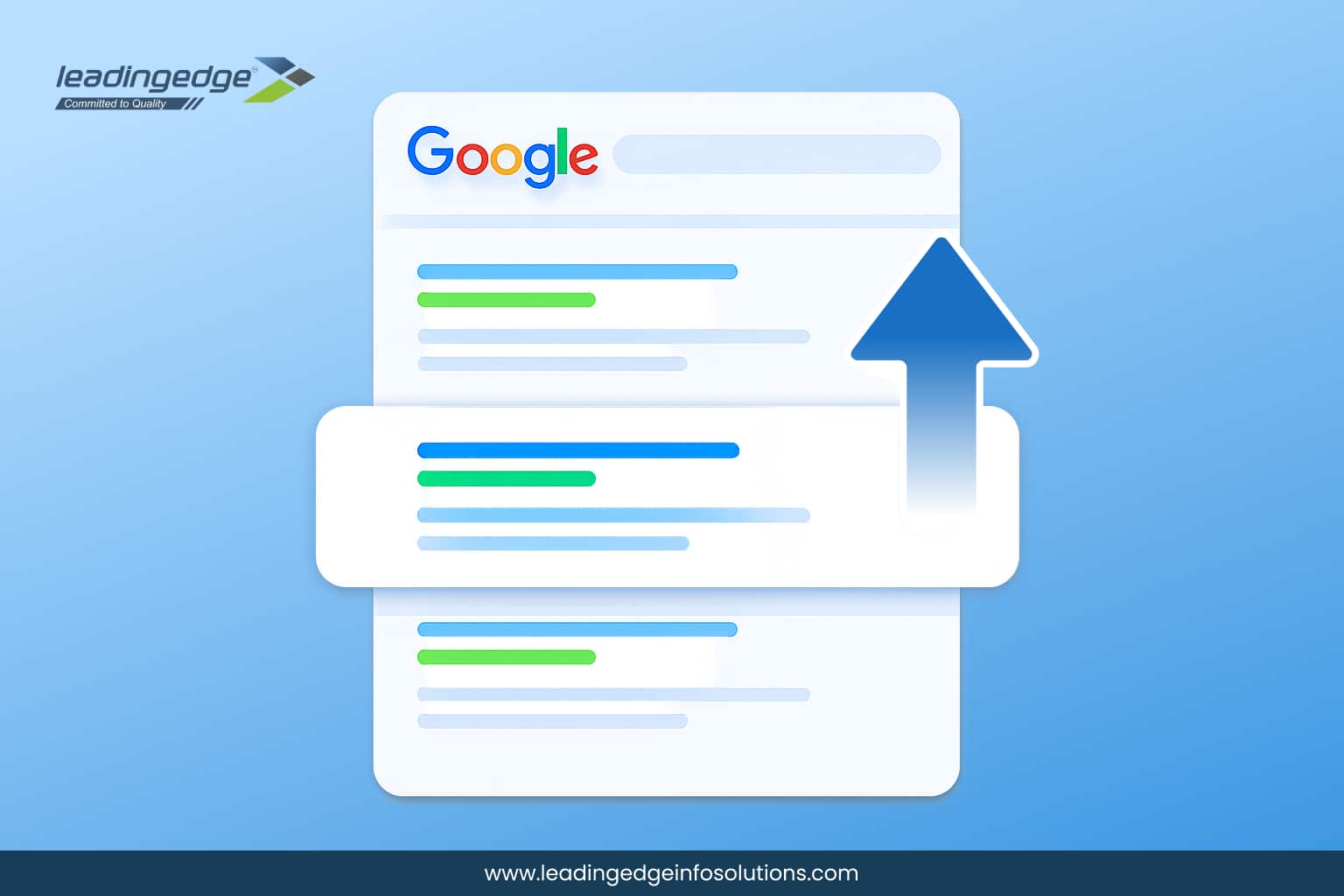
Step-by-Step Guide to Recover Lost Google Rankings
Once you’ve identified the likely cause, follow this framework to recover lost Google rankings. Skipping steps is how businesses waste weeks chasing the wrong fix.
1. Inspect Google Search Console Alerts
Start with the Manual Actions and Security Issues tabs. If both are clear, move to the Page Indexing report to confirm your key pages aren’t marked noindex or blocked by robots.txt.
2. Isolate Specific Landing Pages & Search Intent
Filter GSC Performance data by date, comparing the 28 days before and after the drop. Identify exactly which URLs lost position, then check whether top-ranking competitors changed their content format — a shift from blog-style answers to tools, product pages, or first-hand guides often signals a searcher-intent change.
3. Run a Complete Technical & Speed Audit
Audit Core Web Vitals, mobile responsiveness, broken 404 links, and 301 redirect chains using tools like PageSpeed Insights and Screaming Frog. This step is non-negotiable if you’ve recently redesigned or migrated your site.
4. Audit Backlinks & Content Relevancy
Rebuild lost internal links, disavow toxic spam links if you were hit by a spam update, and update outdated statistics, images, and answer blocks across your declining URLs.
5. Evaluate AI Search Visibility
If your rankings haven’t changed significantly but organic clicks have declined, review how your pages perform in Google’s AI-powered search experiences. Improve content by:
- Adding first-hand experience and expert insights
- Publishing original research or proprietary data
- Answering questions more comprehensively
- Using clear headings and structured formatting
- Strengthening E-E-A-T signals
- Adding unique visuals, examples, or case studies that AI summaries cannot easily replace
This gives readers an actionable response to AI-related visibility changes.
How Long Does Website Ranking Recovery Take?
One of the most frequent questions business owners ask after their website ranking dropped is: “When will our traffic return?”
The timeline for website ranking recovery depends entirely on the nature of the issue:
- Technical Fixes (1 to 3 Weeks): Resolving canonical errors, removing accidental noindex tags, or fixing server downtime issues yields fast results once Google re-crawls and re-indexes the corrected URLs.
- Content Refreshes & Intent Updates (4 to 8 Weeks): Upgrading outdated copy, improving E-E-A-T signals (Experience, Expertise, Authoritativeness, and Trustworthiness), and optimizing internal linking requires time for search algorithms to re-evaluate page authority.
- Core Algorithm Update Recoveries (3 to 6 Months): If your site was impacted by a broad Google Core Update, full recovery often requires comprehensive sitewide improvements and usually reflects during the next major core update rollout.
Patience matters here. Reactive changes, like deleting content or disavowing links without evidence, often extend recovery time rather than shorten it.
DIY Fix vs. Agency Partnership: When to Call the Experts
DIY diagnosis works well for small, isolated issues. But guessing wrong can cost you more than the drop itself — unnecessarily changing URLs, disavowing healthy links, or deleting content during an active algorithm update can turn a temporary re-ranking into a long-term loss of traffic. This is where Leading Edge Info Solutions comes in.
Why Leading Edge Info Solutions is Your Recovery Partner
As an award-winning, AI-powered leading digital marketing agency, Leading Edge Info Solutions (LEIS) brings 14+ years of industry expertise, having worked for businesses worldwide across e-commerce, healthcare, legal, real estate, and local service sectors.
Our AI-powered SEO diagnostics isolate the real cause of a ranking drop, be it a technical, content, or algorithmic issue — far faster than manual auditing alone. Whether the issue sits in Local SEO, e-commerce SEO, or core technical infrastructure, our team builds a recovery roadmap specific to your site.
IS YOUR GOOGLE RANKING DROPPING RIGHT NOW? Stop guessing with your website traffic and revenue. Get an emergency SEO Audit & recovery roadmap from the experts at Leading Edge Info Solutions.
Claim Your Free Audit & Recovery Consultation